How Malls Are Adapting to the Downsizing of Anchor Tenants
by: Regawa Paramasiddi
For several decades, the typical main anchor tenants in shopping centres have been hypermarkets (a supersized supermarket concept) and department stores. Both have acted as the main crowd pullers. The magnets at opposite ends. One could argue that cinemas are stronger anchors, depending on how you define ‘stronger’. Cinema is a unique destination in its own right, allowing it to survive even in underperforming shopping malls. In this sense, cinemas are stronger anchor tenants in terms of their ability to survive in low-traffic situations. The issue with cinemas, however, is that they do not attract or encourage other tenants to open businesses in the mall.
Hypermarkets, during their peak years, had a different quality within a mall’s tenancy mix. They attracted visitors in large numbers while also pulling in other tenants to establish businesses around them. This is why losing a hypermarket as the main anchor hurts far more than losing a cinema. When Cilandak Town Square (Citos) converted the cinema space into gym, it surprisingly had little impact to the visitor’s traffic. But when Cinere Bellevue lost Hypermart, it killed the whole shopping centre almost instantly.
After the rapid decline of hypermarket concepts and the return of the free-standing supermarkets ─almost as if we’re back in 1990’s─ a similar shift of customer preference occurred with department stores. They have been increasingly seen as an outdated concept for fashion shopping or even gift hunting. As hypermarkets were closed or significantly downsized into supermarket formats, and department stores followed by reducing their floor areas, mall operators have been on the edge of their seats.
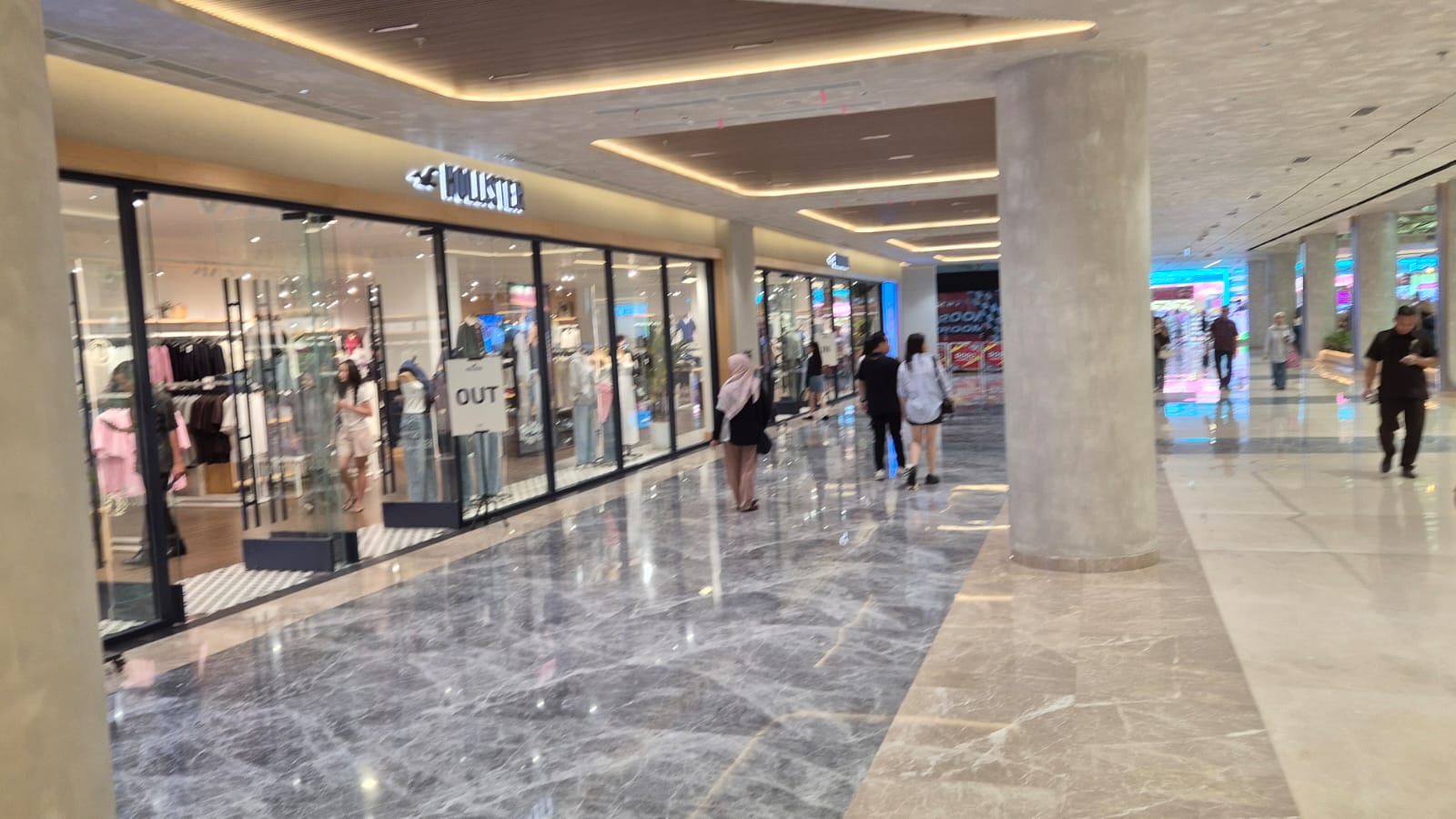
Jakarta’s shopping centres have so far responded well to the downsizing of department stores. Pondok Indah Mall, Gandaria City, and Plaza Senayan, for instance, have each lost significant floor space previously leased by Metro Department Store. Adjustments were made by subdividing the vacated space to accommodate smaller specialty tenants and introducing it as a new area. However, this also adds additional circulation areas and reduces the overall Net Leasable Area (NLA) of the shopping mall.
Previously, the department store paid the rent for the entire space. Now, with added corridors within the newly vacated areas, the total amount of rent-generating space has decreased. But this does not necessarily result in a negative outcome. Department stores pay anchor tenant rates for large spaces, whereas the smaller specialty or F&B tenants occupying the new units pay the higher tenant rates.
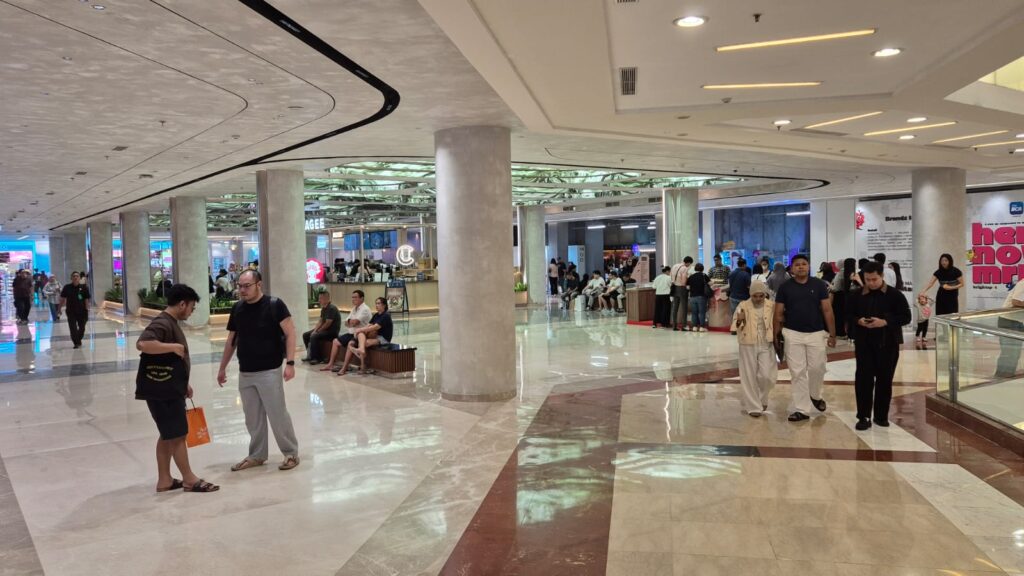
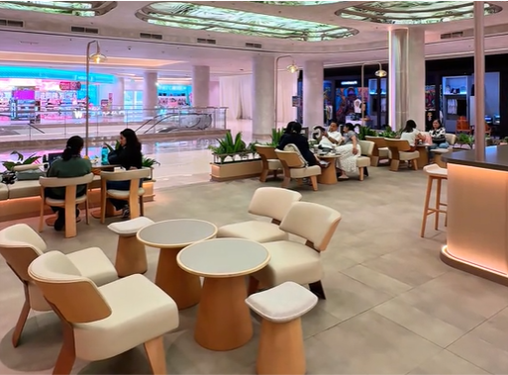
Apart from rent calculations and tenancy strategy, the project execution also presents challenges. Department store or hypermarket space typically have escalators for internal circulation. The position of those escalators, and which area they connect to, would determine how the new layout should be configured. The position of the newly introduced space in relation to accessways—both to the remaining anchor tenant space and to the mall’s main corridors—plays a key role in the success and sustainability of the new space.
Opening up a new area and integrating it with existing circulation also involves complex design decisions. Should the flooring be intentionally different than the ones being used in other corridors, to create different ambiance of this new space? Should the glass railings match those in the main corridors, even if they date back to the 1990s? Would visitors prefer wider corridors that create a grander sense of space, or a tighter configuration that offers a more intimate experience? These are among the many considerations involved that should be discussed between the designer and the marketing or leasing team.
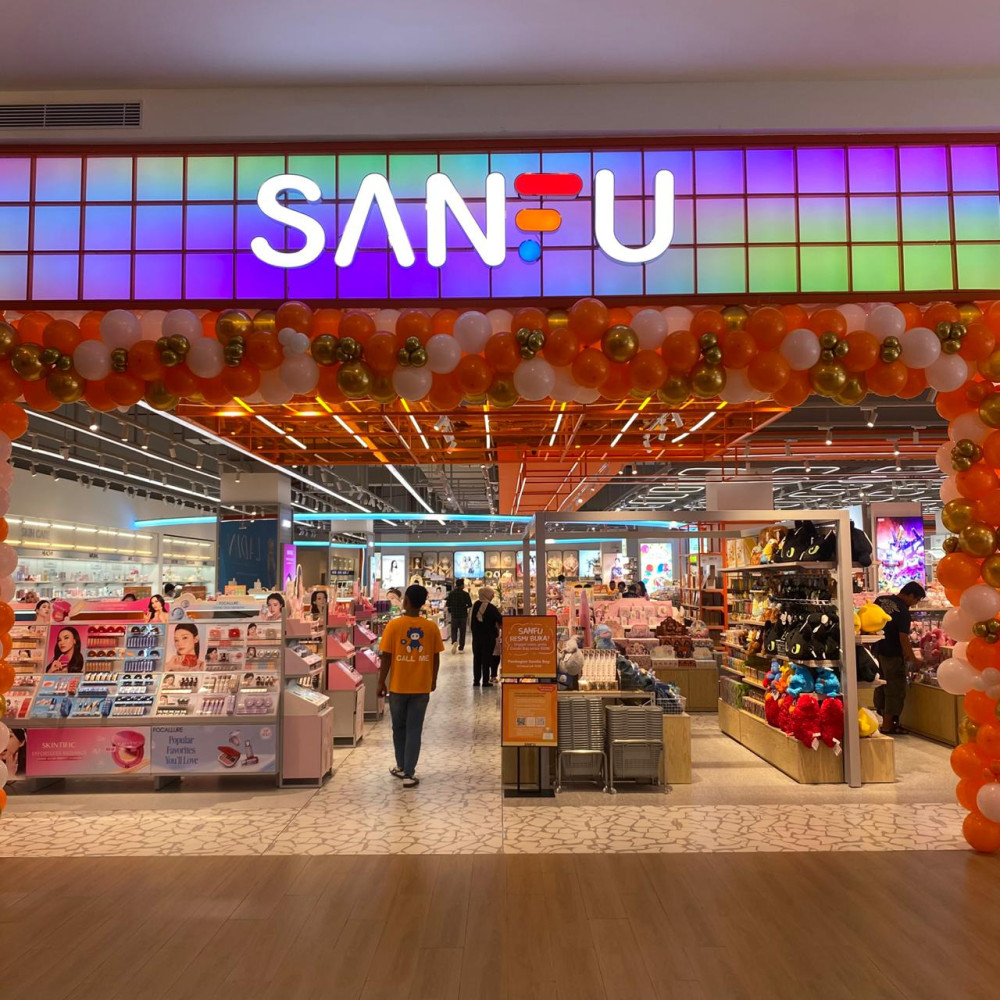
In the end, the highly dynamic nature and fast-changing trends in retail sector requires mall operations teams to be responsive, creative, and financially smart. The downsizing of hypermarkets and department stores present both challenges and opportunities for mall operators to introduce something new and special, be more relevant to current market demands, and stay ahead of their competitors.